


Stay in Touch
Get sneak previews of special offers & upcoming events delivered to your inbox.

Sign in
 Blogs & Forums
 Forums
 Blogs
Blogs

09-03-2024 12:22 AM
I'm far from a spring chicken, and I've been cooking pasta for several decades now, but I am just flumoxxed with one shape that seems designed by a high-level Demon to make otherwise good cooks want to tear their hair out!
How do I cook pasta shells so that they don't nest together five deep into little lumps that no sauce can penetrate? I don't get this with spaghetti, fettucini, macaroni, rotini, penne or lasagne noodles, either wheat-based (from years ago) or legume-based, but I simply can't seem to cook small shells without a culinary disaster happening.
Any suggestions, folks?
09-03-2024 12:28 AM
I add a little olive oil to the boiling water and stir several times until they are done.
09-03-2024 09:11 AM
@CamilleP If that shape gives you so much trouble, don't use it. Substitute another shape. There are so many.
I have some pasta types I avoid. Angel hair and farfalle to be specific. I just don't care for them.
09-03-2024 09:48 AM
Stir, stir, stir, especially during the first 5 minutes. And yes, a little olive oil in the water also helps.
09-03-2024 11:20 AM
Make sure you are using enough water. Most people don't boil their pasta correctly. You should use four to six quarts of water per pound of pasta (less if you are planning to use the pasta water as a thickening agent.) I would NOT add oil to the water.
09-03-2024 11:23 AM
@CamilleP - Shells are my absolute favorite instead of elbows for mac and cheese, and I've really never had problems with cooking them. Perhaps it is the brand you're using? I'd recommend Barilla if you haven't tried it; they use ingredients that give their pasta more substance, which may help if the problem is pasta that is too thin or gummy/sticky to begin with. And even though the shells are small, be sure you're using a large pot to give them room to move as they cook. Stirring more often could possibly help as well. Generously salting the water is also useful because it not only flavors the pasta as it cooks but it also prevents the starches from becoming too strong (i.e., gelatinous).
I would never add oil to the water since it will make the pasta slick as you pour it into a colander and thus prevent the sauce from coating it—and since the oil stays on top of the water, I don't think it would do anything to help the pasta as it cooks.
09-03-2024 11:23 AM - edited 09-03-2024 11:24 AM
Most pasta will stick together unless you stir several times during the boiling process. The suggestion to add olive oil is a good one. Pasta has starch and that can act like glue. You have to break up the shells from the moment you add them to the pot. I tend not to use shells, but I've had the same problem with ziti, penne and everything else. Also make sure you have enough water in the pot.
09-03-2024 11:46 AM - edited 09-03-2024 11:49 AM
@CamilleP Do not use olive oil when cookig pasta. Use plenty of water and stir frequently.
From myrecipes dot com
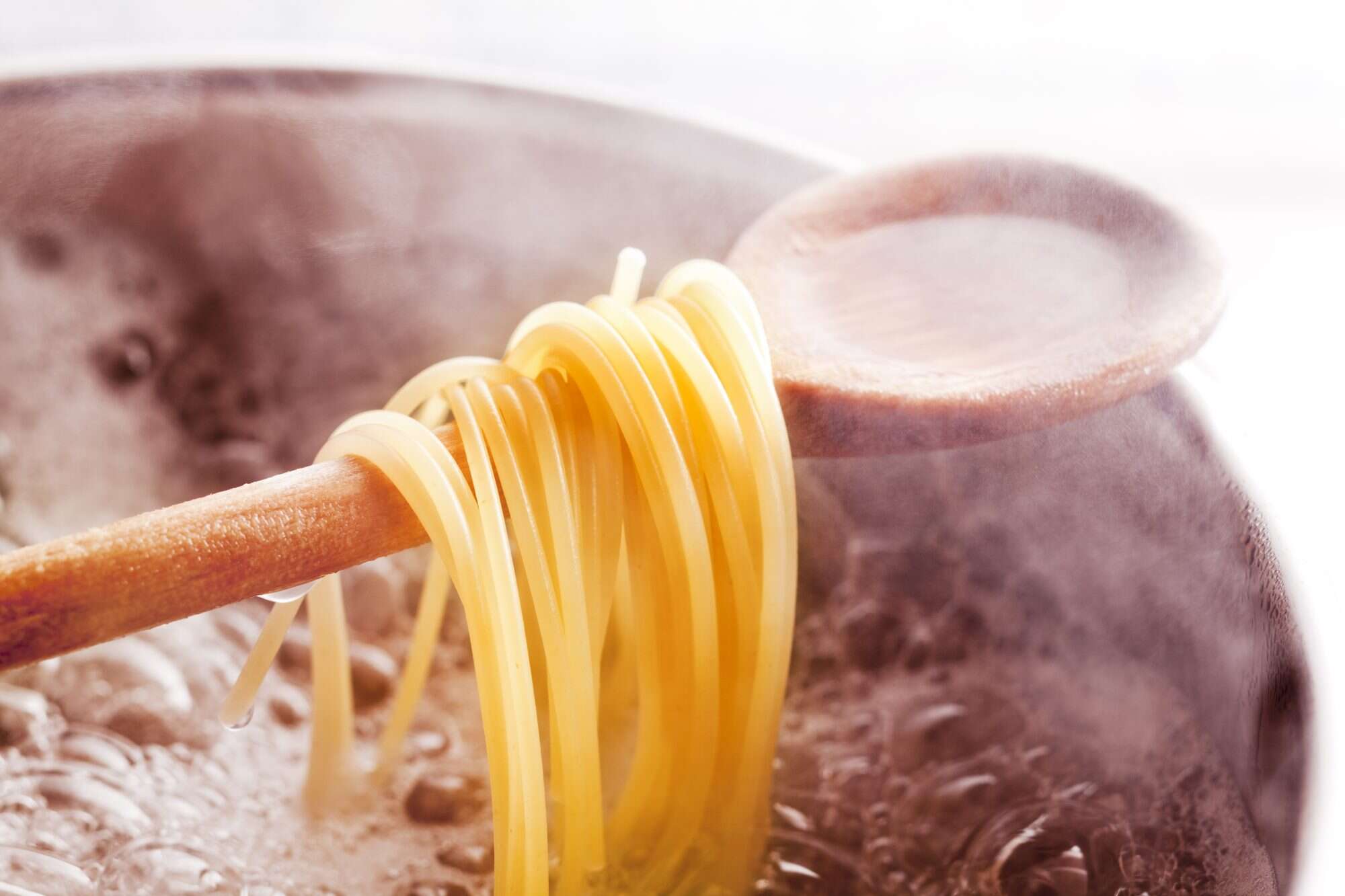
For a lot of us, learning how to cook pasta is one of the first skills an amateur cook might add to their arsenal. I mean, it’s easy enough right? You salt some water, boil it, and then cook your noodles. What’s so tricky about that? As it turns out, there are plenty of little tricks and turns along the way that can determine the failure or success of your pasta-cooking experience. Whether it’s related to salting the pasta water or rinsing the pasta after it cooks, it’s important to make sure that you’re avoiding common, and often seemingly harmless, mistakes. Why? Because you deserve the best bowl of spaghetti possible.
Which brings us to our next dilemma of what is right and wrong in the world of cooking pasta, and that is whether you should or should not add olive oil to your pasta water. While it might seem like an innocent splash of oil couldn’t do any harm, your pasta is way better off without it. Generally, people will drizzle a bit of olive oil into their pasta water in order to prevent the noodles from sticking together... but that's not the only thing it's going to keep from sticking. What happens is that a layer of oil will form at the top of your pasta water, so when you drain your noodles from the water, the layer of oil will then coat all of your noodles as they’re drained. Admittedly, this is isn't a huge issue if you plan to dress your noodles in nothing but olive oil anyway, but for something like a Bolognese or simple marinara, its kind of an issue. This coating of oil will only cause your pasta to become slick and slippery—in turn, making it very difficult for any sauce to cling to the pasta. And what good does that do you? None!
Really, all you need to do is give your pasta noodles a stir every so often as they cook to prevent major clumping. If the noodles seem a little sticky one you drain them, that's A-OK (ideal, actually); they'll loosen up from one another once they have some sauce to cling to. So the moral of the story—save your olive oil for something else (like building a rich and robust sauce), because it surely does not belong in your pasta water.
09-04-2024 03:57 AM
a famous chef said not to use oil to pasta water. Sauce will not adhere. Just stir and use enough water. I'm not a shell user so I can't say about shells.
09-04-2024 07:50 AM



Get sneak previews of special offers & upcoming events delivered to your inbox.
*You're signing up to receive QVC promotional email.

Find recent orders, do a return or exchange, create a Wish List & more.





Privacy StatementGeneral Terms of Use
QVC is not responsible for the availability, content, security, policies, or practices of the above referenced third-party linked sites nor liable for statements, claims, opinions, or representations contained therein. QVC's Privacy Statement does not apply to these third-party web sites.
© 1995-2026 QVC Group, Inc. All rights reserved. | QVC, Q and the Q logo are registered service marks of ER Marks, Inc. 888-345-5788
