


Stay in Touch
Get sneak previews of special offers & upcoming events delivered to your inbox.

Sign in
 Blogs & Forums
 Forums
 Blogs
Blogs

12-31-2022 03:29 PM - edited 12-31-2022 03:36 PM
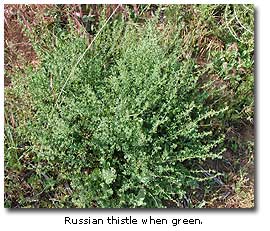
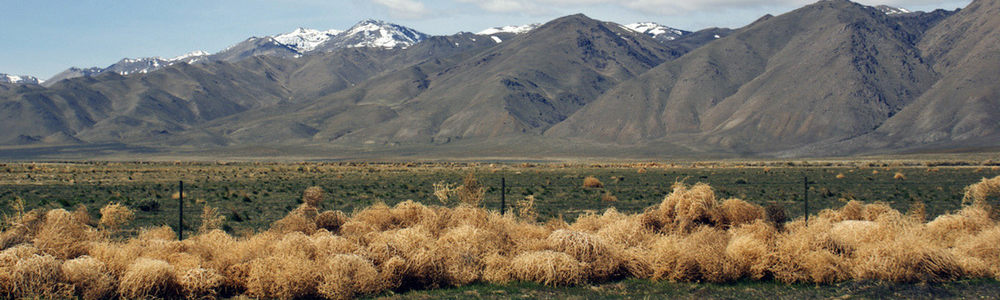
1. Tumbleweeds begin their lives as little green shrubs called Salsola tragus, aka Russian thistle. There are several other species that turn into "tumbleweeds," but this particular one is an icon of the American West.


2. The death of a Russian thistle marks the beginning of its reproductive cycle. In winter, it breaks off at the stem and begins its journey as a tumbleweed blowing around the desert spreading seeds as it bounces along. Tumbleweeds can release up to 250,000 seeds that can rumble through frontier lands for years.

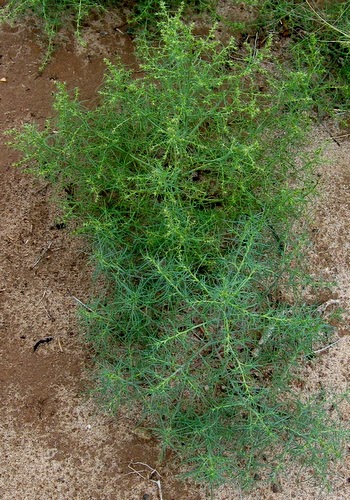
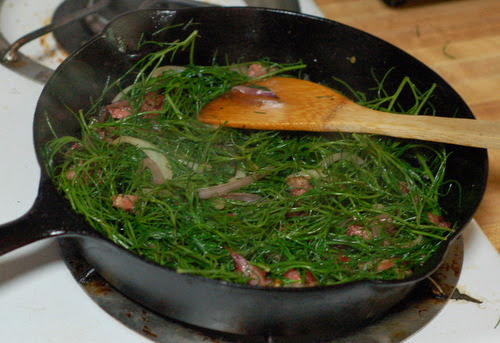
3. Tumbleweeds are edible, and are actually quite palatable! While the plant is young, it can be cooked in the same way you cook collard greens. Long before they become the dried-up ball of thorns you see rolling across an empty highway, they are tender little green things that are actually pretty tasty. It is said that much of America's cattle were saved from starvation during the Dust Bowl of the 1930s due to their ability to eat the invasive thistle.

4. Tumbleweeds aren't native to the U.S. They accidentally arrived in South Dakota in 1870 in a shipment of flax seeds from Russia. Funny to think that such a staple in American West folklore is based on an invasive species.
5. By 1895, just 35 years from the time they arrived in South Dakota, tumbleweeds reached the coastlines, from New Jersey to California.
6. In the times before plowed fields, tumbleweeds would have been stopped in their tracks by native prairie grass. But without these grassy barriers, tumbleweeds can roll about the landscape, haunting farmers wherever they go.
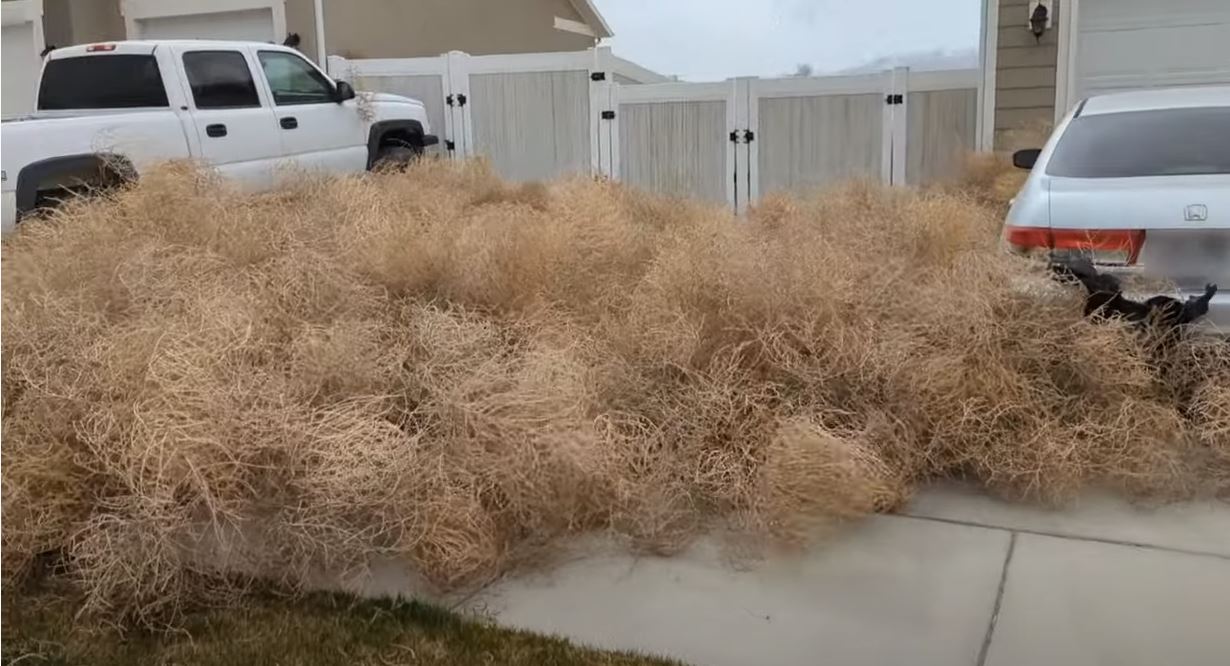
7. People can become trapped in their homes and cars by giant waves of tumbleweeds. Uncovering your house from a wall of giant, thorny and highly flammable weeds sounds considerably worse than shoveling snow from your driveway.

8. At ground zero of Southern Nevada's nuclear test sites, tumbleweeds are always the first plant to grow back.

12-31-2022 04:48 PM
I run over them all the time when I have to can't change lanes. They warn you if they get under your car they can catch fire not good since your car has gas in it.
***************** Tumbles !
12-31-2022 04:50 PM
@JoyFilled Warrior wrote:
@SharkE wrote:Collection of weeds and grass that has dried out from lack of rain and with the constant wind they knot up, dry up
brittle balls of dead vegetation that just keep tumbling.
My fence row is now clear of them for the time being.
Had some hired help that mowed over them too much work to pick them up so he just mulched them to death.
LOL
~~~~~
Thank you. Was hard to imagine for someone unfamiliar. I only saw pics. I had no idea they had "seeds" in them.
HAPPY NEW YEAR!!
Yeah, I never saw one till I moved to Tx. Now, it's all blistering sun and winds. Today is not windy ! ahhhh...........
12-31-2022 04:51 PM
Those pictures of the tumbleweed piles remind me of the Star Trek episode "The Trouble with Tribbles!"
01-04-2023 08:28 PM
@MorningLover wrote:Tumbleweeds: The Truth Behind the Folklore
Arapahoe Librariesby Arapahoe StaffJanuary 10, 2018
1. Tumbleweeds begin their lives as little green shrubs called Salsola tragus, aka Russian thistle. There are several other species that turn into "tumbleweeds," but this particular one is an icon of the American West.
2. The death of a Russian thistle marks the beginning of its reproductive cycle. In winter, it breaks off at the stem and begins its journey as a tumbleweed blowing around the desert spreading seeds as it bounces along. Tumbleweeds can release up to 250,000 seeds that can rumble through frontier lands for years.
3. Tumbleweeds are edible, and are actually quite palatable! While the plant is young, it can be cooked in the same way you cook collard greens. Long before they become the dried-up ball of thorns you see rolling across an empty highway, they are tender little green things that are actually pretty tasty. It is said that much of America's cattle were saved from starvation during the Dust Bowl of the 1930s due to their ability to eat the invasive thistle.
TUMBLEWEED GREENS WITH CREAMY GARLIC GRITS
4. Tumbleweeds aren't native to the U.S. They accidentally arrived in South Dakota in 1870 in a shipment of flax seeds from Russia. Funny to think that such a staple in American West folklore is based on an invasive species.
5. By 1895, just 35 years from the time they arrived in South Dakota, tumbleweeds reached the coastlines, from New Jersey to California.
6. In the times before plowed fields, tumbleweeds would have been stopped in their tracks by native prairie grass. But without these grassy barriers, tumbleweeds can roll about the landscape, haunting farmers wherever they go.
7. People can become trapped in their homes and cars by giant waves of tumbleweeds. Uncovering your house from a wall of giant, thorny and highly flammable weeds sounds considerably worse than shoveling snow from your driveway.
8. At ground zero of Southern Nevada's nuclear test sites, tumbleweeds are always the first plant to grow back.
~~~~~~~~~~
WOW!!! I was totally clueless! This is amazing! Interesting. THANk YOU!
HAPPY NEW YEAR!
01-04-2023 08:31 PM
@DrBabs wrote:Those pictures of the tumbleweed piles remind me of the Star Trek episode "The Trouble with Tribbles!"
~~~~~~~~~~`
OH.. love "The Trouble with Tribbles!" Seen it sooo many times
I think that was Voted #1 on the old "Star Trek" Countdowns.
"~All they do is "eat" & reproduce!" and were found everywhere on the "Enterprise!"
01-04-2023 08:39 PM
I paid to get rid of mine from off the fence. They're back trying to take over again. He mowed over all the ones he could made it look better, now, they're making a comeback. Just let 'em pile up I guess or try to run over them myself can't afford to payout every week.
Other people's yard is as bad as mine. Just have to put up with it along with everything else.
01-06-2023 02:58 PM - edited 01-06-2023 03:07 PM
@SharkE Get yourself a sprayer at Lowe's or HD and a jug of herbicide and spray your fence line several times a year. In about 30 minutes you can solve your problem.
I spray my yard a couple times a year in spring and fall for goat heads and foxtails. Takes little effort.
01-06-2023 04:22 PM
The tumbleweeds come from everywhere from the neighbors yards wherever the wind catches them and blows them onto everybody.
I'm on 2 1/2 acres. Kind of open prairie like country suburb. Just been a bad season for those things.
Somebody could make a fortune if they could think of a way to keep them from forming and drifting.
01-07-2023 07:49 PM
@SharkE I just told you how to keep the seeds from sprouting. Apparently you aren't too interested in controlling them. I use a variety of Roundup that lasts 6 months.



Get sneak previews of special offers & upcoming events delivered to your inbox.
*You're signing up to receive QVC promotional email.

Find recent orders, do a return or exchange, create a Wish List & more.





Privacy StatementGeneral Terms of Use
QVC is not responsible for the availability, content, security, policies, or practices of the above referenced third-party linked sites nor liable for statements, claims, opinions, or representations contained therein. QVC's Privacy Statement does not apply to these third-party web sites.
© 1995-2025 QVC, Inc. All rights reserved. | QVC, Q and the Q logo are registered service marks of ER Marks, Inc. 888-345-5788
